
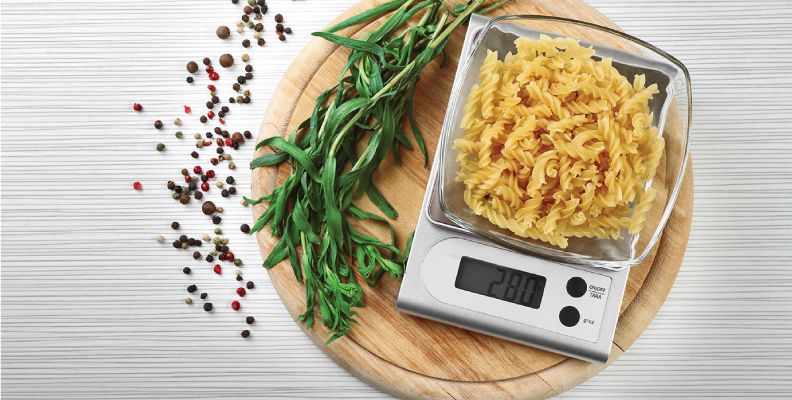
Portion distortion: the new normal
Have you heard the term "portion distortion"? It refers to how we have come to accept larger food portions as normal. Today, a single serving of many foods is two to three times bigger than when it was first introduced, and studies such as the Obesity Education Initiative of the US National Heart, Lung, and Blood Institute show that portion sizes have grown significantly over the last few decades.
Why it matters for weight management
Portion control is crucial for losing weight or maintaining a healthy weight. We often equate bigger portions with better value – think of unlimited thalis or all-you-can-eat buffets. But larger portions quietly lead to overeating and weight gain.
A common misconception
At one nutrition workshop, a body scan of an underweight woman showed 30% body fat because her diet was heavy in cereals. Not eating enough and having high body fat can happen together – especially when the quality of the diet is poor.
Growing portion sizes in India
Over the past two decades, portion sizes in India have grown dramatically. Quality matters more than quantity. If we observe our eating habits honestly, we often find that we eat more than we need – and not always the right kinds of food.
A personal experience
A few years ago, my family decided to improve our eating habits. We realised our portion sizes were out of control and were affecting our health and our energy through the day. Small, consistent changes made a big difference.
Tips for managing portion sizes
- Use smaller plates: swap dinner plates for quarter plates to naturally reduce portions.
- Drink water before meals: it helps you feel full sooner and reduces how much you eat.
- Avoid second helpings: serve yourself once and put the rest away.
- Learn what a portion looks like: know the right portion sizes and the nutrients you need.
- Eat slowly: give your body time to recognise that it is full.
- Keep a food diary: track what and how much you eat to stay accountable.
Rules of portion control: an easy Indian guide
Measure and compare. Understand what one portion looks like for different foods:
- Roti: 6-inch diameter
- Dosa: 8-inch diameter
- Idli: the size of a Marie biscuit
- Rice / pasta / poha: the size of a tennis ball
- Bread: the size of an audio cassette
- Milk: 150 ml
- Curd (yogurt): the size of a cricket ball
- Paneer: 6 dice-sized pieces
- Dal / beans / chole: the size of a tennis ball
- Cooked vegetables: the size of a tennis ball
- Fruit: the length of a light bulb
- Soup or salad: the size of a CD
- Chutney / sauce: the size of a carrom-board coin
- Cooked meat, fish or poultry: the size of a deck of cards
- Cheese: a pair of dice
Serve your portion once and stick to it. Avoid taking small portions from many dishes just to "try" them – it adds up to a large total calorie load.
Avoid second helpings